Sustainability - fashions dirty secrets
It is becoming no longer a secret about fashions dirty
footprint that its leaving on the planet. After recently watching the BBC
Stacey Dooley documentary- fashions dirty secrets, I was even more shocked by
the effects of fashion on the earth, and also shocked by my lack of knowledge.
I am someone who, judging my my choice of degree and
interests will probably end up working in the fashion industry. I have always
felt almost guilty about this, due to what I knew about the impact it has on
the environment. However after watching the documentary I feel even more of a
responsibility to educate myself on the topic, and rather than feeling guilty,
try and find out how I can make a difference.
Not only do I see myself working in fashion at some point,
but I am also a keen customer in many off the high street chains causing the
damage. Stacey makes it very clear that one of the main problems is fast
fashion. There used to be just four seasonal releases a year for most brands in
retail. Today brands have as many as fifty
two releases of new stock every year (weekly). I knew that fast fashion was
fast, but even I didn’t realise it was quite so shocking. Brands are in
increasing competition to create new products at these shocking rates, but
really it is impossible for us consumers to consume so much so quickly.
Due to this constant flow of new fashion, and the wear once
and throw it away mentality, six out of ten garments end up in landfill within
a year of production. Surely if there is a trend appearing of this happening,
we need to stop making those six extra garments. Of course its nice to have the
choice of ten, but is the choice of ten really worth it.
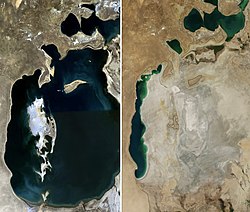
In the documentary I learnt to my horror about the disappearing
Aral sea in Aveckstan. The Aral sea was once the fourth largest lake in the world.
Mainly Due to the fashion production industry the amazing lake home to 24
species of fish, and supporting countless fishing communities, has almost
completely dried up (area the size of Ireland).
.
I think that for me the biggest shock, and moment of feeling
stupidly ignorant was discovering that the main cause of this particular effect
on the environment, was the growing of cotton. As Stacey mentioned I have
always seen cotton as it is marketed, as a soft, gentle, pure and generally
good quality in a garment. When in fact it has become the opposite. It can take
around 1,800 gallons of water to grow enough cotton for just one pair of jeans,
that is before any other dying or production pollution. With the amount of
drought and famine in the world I was really upset to discover this, and
annoyed as to why it isn’t more public knowledge. I live in jeans, and definitely
have more than I need. They are a fashion staple in my opinion, but there has
to be another way.
Levis are a leading denim and jeans brand, who are starting
to face up to the impact their production has, and looking at new ways of
allowing us to still have our favourite everyday staple. Levis launched the
‘water-less’ project ;
“The Water<Less™ process approaches the
decisions made in the design process in a different way, reducing the amount of
water used in the finishing process. It’s not rocket science, but it is
innovative. For instance, by simply removing water from stone washes or
combining multiple wet cycle processes, we can significantly reduce water usage
— up to 96 percent for some styles. At the same time, we still deliver the same
great look and feel that you know and love.”
Since launching the project in 2011, they have been able to
save over one billion litres of water, which is amazing. If a cotton based
company can reduce its water usage, what is really stopping companies that only
make a few cotton garments from making this change.
Lots of suppliers to these big companies in foreign
countries are also illegally using rivers as sewers for toxic and polluting
waste from production. Affecting the environment directly affects the people
living in it, but never more have I noticed this than the example used in the
documentary. In a river in Indonesia, by products of garment production such as
mercury and other heavy metals, are being released into the surrounding rivers.
These rivers are used by locals for all their water needs eg; drinking and
irrigation. Heavy metals like mercury can go as far as affecting the brain and
can majorly stunt development. I found this fact the most upsetting.
It is clear that something has to be done, and lots needs to
change. After watching the documentary I felt that the best way to make a
difference was starting to tackle fast fashion. Less releases, means less
garments, meaning less waste, and less overall production, resulting in less
pollution. Although Fashion is a fun and exciting way of expressing yourself
everyday, we need to think if we even wear half of the clothes in our
wardrobes. I think that for most of us the answer would be no. I think that
fashion has actually become over saturated, we are bombarded with ever changing
trends, that we loose track of what our style is, and what we enjoy wearing.
If we went back to the simple four seasons of fashion,
people may argue we loose the choices, however I disagree, I think that it
would help us make better choices. It would help us narrow down, and avoid
those impulse buys that we brought in the sale, and that live in the back of
the draw never to be worn. By simply avoiding these, we could be saving the
planet.
I also think that it is time to bring back the old fashion
idea of more permanent fashion. We need to encourage people to invest more in
classic items, they may come back slightly different each year but at least
they can reappear each year. These clothes tend to be worth investing in a bit
more, but if you think of all the cheaper fashion that you wear for a few weeks
and never again the investment is worth it, it could also make a big
environmental difference.
This is one of the ideal solutions to the sustainability
crisis in fashion. It does not account for the massive loss that fast fashion
companies will have, in the end it is all about money for the bigger retailers.
However where do we draw the line? With examples like these, clearly showing
the impact of the industry on the environment, only becoming more common, something needs to click. I hope that one day if I do work in fashion I can
make some positive change in the direction of sustainability. I also hope that the next generation going into
the fashion industry all make small changes until all together substantial
changes like my ideal solution becomes reality.
Comments
Post a Comment