Design in a nutshell
This collection of short videos introduced me to the 6 main
design movement that have shaped the creative world for hundreds of years. I think that although this has no direct relevance
to the topics I am studying, to have a basic knowledge of the design movements
and styles is key for anyone in any creative field to know and be able to
reference and draw inspiration from.
Gothic revival
Amongst constant new extravagant religious buildings created
as acts of worship, and the industrial revolution, some people decided that society
needed more ‘meaningful buildings’. With
the church of England more prevalent than ever before, architects began
building churches in the gothic style everywhere. At first wealthy people where the ones who
brought into the gothic style, resulting in extravagant gothic homes. It wasn’t
long however until the style filtered down to everyone in everyway, from furniture
to fonts in newspapers. Gothic style defined an era.

Arts and crafts
About 150 years ago, in the Hight of mechanisation and
industrial advancements, some people became unhappy with the new mass
production culture. Arts and crafts was a movement started by artist William
Morris who didn’t want society to loose its creativity, and appreciation for
skill and craft. Turns out that people embraced the movement, and loved its ethically
pure motives. The sentiment of the movement is something that is still very relevant,
we still like to know where things came from, and appreciate craft and handmade
things.


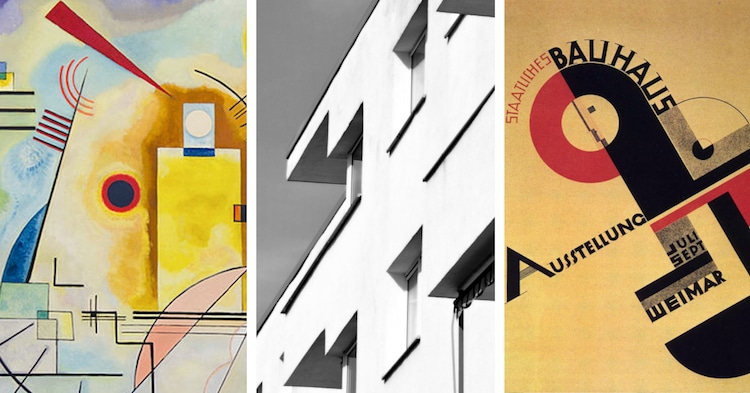
Bauhaus
This movement was at its peak between the two world wars.
The movement was based around a new kind of art school and teaching style.
Instead of training in one art field, you could train in all. The movement was
all about embracing latest innovations in art and creativity, and using it to our
advantage. The movement is defined by minimalism and practicality.
Modernism
With society traumatised after the war people wanted to
forget about history and reality, which art had previously reflected. Cubism,
impressionism, symbolism, expressionism and so on, where born from this
movement. The movement embraced new materials and innovations in all areas, and
the less is more view.


American Industrial design
Emerging from the great depression, it was peoples poverty
and lack of spending that inspired this movement. Industrial design gave modern
and fun flourishes to everyday, practical objects, making people want to buy
things they didn’t even know they needed new versions of. Style was still more
important as function, and marketing and branding really started to come to
play in packaging.


Postmodernism
The era of less is more was now considered boring and out of
style. More was more, and anything was possible in the task of expressing
yourself. Postmodernists wanted things that where more challenging and perhaps
shocking to people. The aim was to push boundaries and be unique and
liberating.


Comments
Post a Comment